Winter Roof Inspection: Protect Your Home Before the Freeze
Winter puts real stress on roofs in Southeastern Pennsylvania. When temperatures swing from cold to freezing to mild, shingles, flashing, gutters, and attic systems all take a hit. A professional winter roof inspection can spot problems before snow and ice make them worse. Titan Exterior Group serves Montgomery, Bucks, Chester, and Delaware Counties to keep your home protected. Schedule your winter roof inspection today and ensure your roof is ready before the deep cold sets in.
What Is a Winter Roof Inspection?
A winter roof inspection is a detailed evaluation of your roof during the cold season. A trained roofer examines both the visible surface and underlying components to see how well they handle frost, snow, and freezing rain. The goal is to find weak points early, such as shingles that are loosening, flashing that is separating, or attic moisture that can lead to ice dam problems. This inspection gives homeowners a clear understanding of their roof’s health and what needs attention before winter weather worsens.
Why Winter Roof Inspections Matter in Southeastern, PA
Montgomery, Bucks, Chester, and Delaware Counties experience winter conditions that are tough on roofs. Temperatures frequently rise above and drop below freezing, creating constant freeze-thaw cycles. When melted snow refreezes, it expands inside cracks and weak spots, causing shingles to lift, flashing to pull loose, and gutters to clog with ice.
Wind-driven rain and snow also test entry points around chimneys, attic vents, skylights, and roof valleys. Flashing, the thin metal used to seal these areas, can shrink or separate during winter, allowing water to seep underneath. Once water reaches the underlayment or decking, leaks and mold become more likely.
Ice dams are another major concern in Southeastern, PA. They form when heat escapes from the attic, melting snow on the roof. The meltwater then refreezes at the gutter line and pushes water back under the shingles. According to the Insurance Institute for Business and Home Safety, ice dams are one of the leading causes of winter roof damage.
Without a winter roof inspection, these seasonal conditions can lead to expensive emergency repairs or interior water damage.
What We Look for During a Winter Roof Inspection
Roof Surface and Shingle
We start with the roof’s outer layer of protection. Shingles are checked for cracking, curling, missing tabs, or granule loss, all of which reduce their ability to shed water. Even a single damaged shingle can allow moisture to penetrate the underlayment when temperatures drop, potentially leading to leaks or further roof damage.
Flashing and Roof Penetrations
Flashing is the thin metal installed around chimneys, skylights, plumbing stacks, and where roof sections meet. Winter weather can cause flashing to shrink or pull away from the surface. During the inspection, we look for separation, rust, broken sealant, and any areas where water can slip underneath the roofing system.
Gutters and Downspouts
Gutters are essential for directing meltwater away from your home. We check for clogged sections, sagging, or improper slopes that can lead to freezing and ice dams. Downspouts are examined for blockages and areas where water may flow back toward the roofline, which could cause damage to the roof or foundation.
Attic Conditions and Ventilation
A thorough winter roof inspection includes an attic check. We assess insulation depth, airflow from soffits to ridge vents, and signs of condensation or frost on nails or decking. Poor attic ventilation causes uneven roof warming, which is the leading contributor to ice dams in Southeastern Pennsylvania.
Winter Roof Inspection Checklist for Homeowners
This checklist helps homeowners safely evaluate potential roof concerns from the ground.
Safe Checks You Can Do from the Ground

Look for missing, cracked, or sliding shingles that are visible from your yard or sidewalk.
Check for sagging gutters, heavy icicles, or water stains on siding.
Inspect ceilings and upper walls inside for new water spots or peeling paint.
Observe how snow melts on your roof. Areas that remain frozen while others melt may indicate insulation or ventilation problems.
Listen for dripping sounds on upper floors during snowmelt.
Signs You Should Call a Roofing Professional Right Away
A section of the roof or gutter is sagging or pulling away from the house.
Water stains appear on ceilings or walls after snow or rain.
Ice forms along the roof edge or behind gutters.
Shingles are visibly missing, buckled, or lying in the yard.
Moisture or dripping is present inside the attic.
Whenever you notice these warning signs, it is safer and more effective to call a roofing professional rather than climbing onto a cold, icy roof yourself.
When To Schedule Your Winter Roof Inspection
The best time for a winter roof inspection is in late fall or early winter, before temperatures drop sharply. In Southeastern Pennsylvania, roofs often experience frost earlier than expected, especially on shaded properties. Even after the first snow, a winter roof inspection can still be completed safely. Roofers use specialized techniques to evaluate shingles, flashing, and gutters without requiring full roof access when conditions are icy.
Scheduling your inspection early typically costs less than waiting for an active leak. Once water enters the home, repairs become more complex and expensive.
Why Do Southeastern Pennsylvania Homeowners Choose Us?
Titan Exterior Group works on roofs across all four counties and understands the unique challenges of Southeastern Pennsylvania winters. Homeowners trust us for complete home exterior upgrades because our team brings decades of hands-on roofing experience to every inspection.
Customers Choose Us Because:
Our local crews understand Pennsylvania winter conditions.
Our roofing specialists have experience with both older homes and newer construction.
We use top-rated materials for cold climates and long-term durability.
Our detailed inspection reports include photos so homeowners can clearly see the condition of their roof.
We offer clear recommendations with no pressure to make immediate decisions.
Contact Titan Exterior Group for professional roofing services, whether for repairs or upgrades.
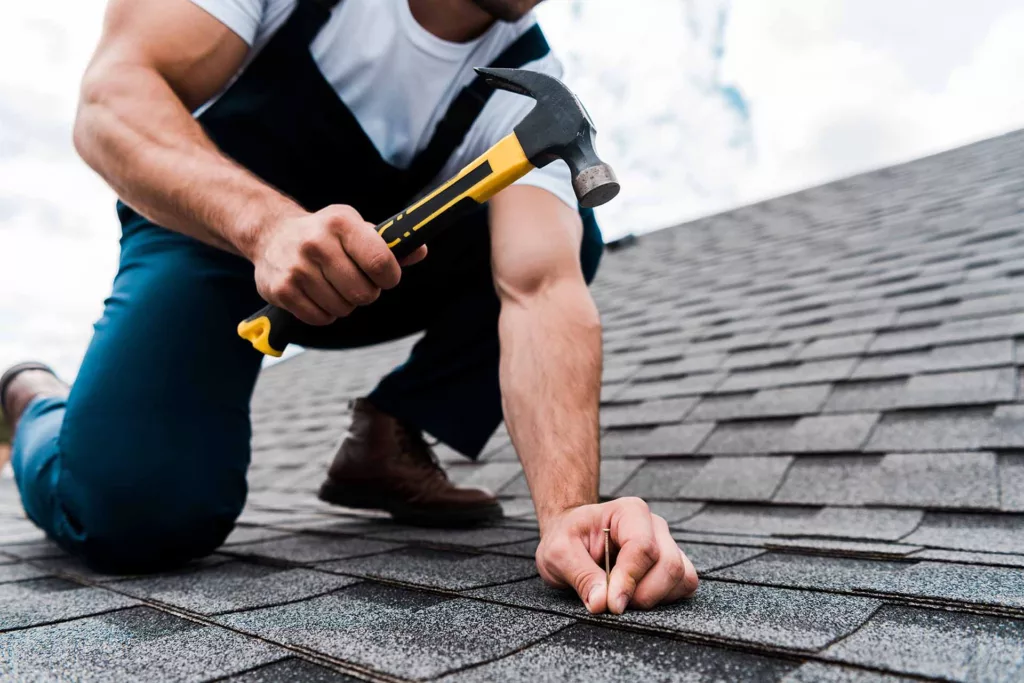
What Comes Next After Your Winter Roof Inspection
After a winter roof inspection, you receive a clear report detailing the roofer’s findings and recommended next steps.
If Small Issues Are Found
- Replace a few damaged shingles.
- Seal flashing around vents or chimneys.
- Clear and adjust gutters.
- Improve attic insulation or ventilation.
If Larger Issues Are Found
- Repair damaged decking.
- Rebuild weakened roof valleys.
- Replace deteriorated underlayment.
- Plan for a full roof replacement if the roof is near the end of its lifespan.
Titan remains supportive and solution-focused, with the goal of keeping your home protected through winter using the most practical repair plan. If you want to explore repair options or replacements, see our full roofing services here.
Service Area Highlight
Titan Exterior Group provides winter roof inspections for homeowners in:
- Montgomery County, PA
- Bucks County, PA
- Chester County, PA
- Delaware County, PA
Our professional team frequently works on colonial homes, Cape Cods, ranch homes, and newer developments found throughout the region.
Protect Your Home Before the Next Freeze
Winter is tough on Pennsylvania roofs. Freeze-thaw cycles, ice dams, and hidden weak spots can lead to midwinter leaks and expensive damage. A winter roof inspection is one of the smartest, most cost-effective steps you can take to protect your home.
FAQs about Siding
Image Prompts and Alt Texts
Hero Banner
- Prompt: A roofing expert in winter gear, inspecting shingles and flashing on a suburban Pennsylvania home, with light snow gently falling in the background.
- Alt Text: Roofing expert inspecting shingles and flashing on a suburban Pennsylvania home during winter.
Problem Area
- Prompt: Close-up of a roof edge with ice dams forming at the gutters, heavy snow accumulated along the eaves, showcasing the buildup and potential damage.
- Alt Text: Close-up of a roof edge with ice dams and heavy snow buildup at the gutters.
Attic Check: Insulation and Ventilation
- Prompt: A roofing expert using a flashlight to inspect attic insulation and ventilation, ensuring proper airflow and coverage in a residential home.
- Alt Text: Roofing expert inspecting attic insulation and ventilation with a flashlight, checking for proper airflow and coverage in a home.
Local Homes / Counties
- Prompt: A picturesque street of Pennsylvania homes, with a subtle county-style graphic representing the four service areas, blending architecture and community spirit.
- Alt Text: A scenic Pennsylvania street showcasing homes with a subtle county-style graphic representing four service areas, highlighting local expertise.